
I spent last Tuesday afternoon in a Surry Hills cafe, sketching payout screens on a napkin while the barista pulled flat whites. That kind of quiet, transaction-focused thinking is what separates a clear pokies interface from a noisy one, and it is exactly the lens I bring to how to win major jackpot on online pokies. You do not beat a progressive machine with superstition; you read the math, respect the bankroll, and treat every spin as a priced event, not a promise.
Play-Lightning-Link-Slot-Free sits on my shortlist for a reason: the free-to-play preview strips away the promo clutter and lets you watch symbol distribution without burning through real funds. It is a useful calibration tool before you commit to a live buy-in.
Reading the maths before you press spin
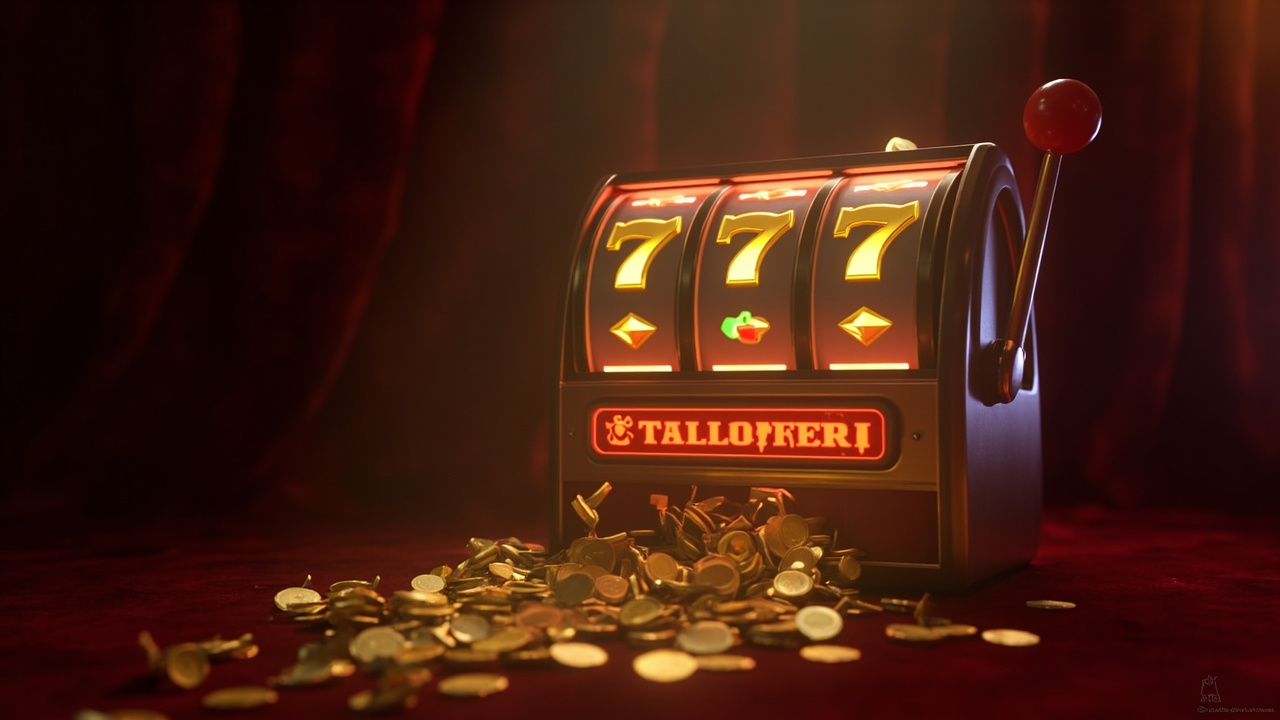
A major jackpot on an online pokie is never a mystery you solve with a lucky charm; it is a probability curve you can actually see if the interface is honest. In my years designing sportsbook and casino screens, I have learned that the clearest products show volatility, hit frequency, and contribution rates up front, because players who understand those numbers make better decisions than players chasing a flashing banner. You want a machine where the jackpot contribution is visible per bet, where the paytable explains whether the top prize is a standalone pool or a shared progressive, and where the return-to-player figure is stated plainly rather than buried under a cascade of bonus terms. When I audit a new layout, I look for the same discipline I apply to a payment flow: every step should tell you what it costs, what it risks, and what it might return, with no hidden friction between the button and the ledger. That kind of transparency is what lets you compare two machines on their actual behaviour instead of their marketing gloss, and it is the first real advantage you can build before a single coin drops.
Matching the machine to your playing style
Not every player fits the same pokie, and the right match is usually a matter of temperament rather than luck. A cautious session player who likes steady feedback will usually do better on a medium-variance title with smaller but more frequent payouts, because the rhythm keeps the bankroll alive long enough to see the feature rounds that matter. Someone chasing a major jackpot often gravitates toward higher-variance games, but that choice only works if the stake sizing is disciplined and the session has a hard stop written in before the first spin. I have seen too many interfaces that nudge players toward bigger bets with animated counters and urgency cues, and in my view that design pattern is a poor fit for anyone treating a jackpot as a calculated target rather than a thrill ride. The better approach is to pick a game whose volatility matches your patience, set a stake that leaves room for the full cycle of spins, and walk away when the curve has moved against you for the day. That is the player-fit logic that keeps a jackpot hunt from turning into a rushed burn.
Where the jackpot actually lives on the screen
The way a jackpot is presented changes how you interact with it, and a well-built interface makes the prize path legible instead of theatrical. On the stronger titles, the progressive meter updates in real time, the trigger conditions are spelled out in plain language, and the bonus entry rules do not require you to decode a wall of fine print between spins. I judge these screens the same way I judge a payments panel: if I cannot tell what I am committing to in under a few seconds, the design is failing the transaction, not the player. You should be able to see whether the jackpot is hit directly, locked behind only here a bonus feature, or tied to a random drop event, because each of those mechanics asks for a different kind of patience and a different stake plan. When the interface is honest about those pathways, you can decide whether the game is a genuine target for your session or just a loud distraction dressed up as a prize. That clarity is worth more than any promotional banner, because it lets you treat the jackpot as a defined feature of the game rather than a vague hope hovering over the reels.
I still keep that cafe napkin in my desk drawer, the one with the payout curves and the note at the bottom asking whether the machine was built to be understood or just to be played. That question is the one worth carrying into any pokie session, because the answer tells you whether you are looking at a clear product or a polished trap. If the screen tells you the cost, the risk, and the path to the top prize in a way you can actually read, you have a fair shot at treating the jackpot as a target worth chasing rather than a story worth believing.Major Jackpot Casino Games Worth Exploring
When you trace those lines back to the source, you start to see how the mathematics of chance gets dressed up as entertainment. You can walk through the same mechanics in a no-strings demo at https://play-lightning-link-slot-free.com/ to see whether the feedback loops feel transparent or just meticulously tuned. Either way, keeping that napkin nearby ensures you never forget who really sets the tempo.